Janet Mason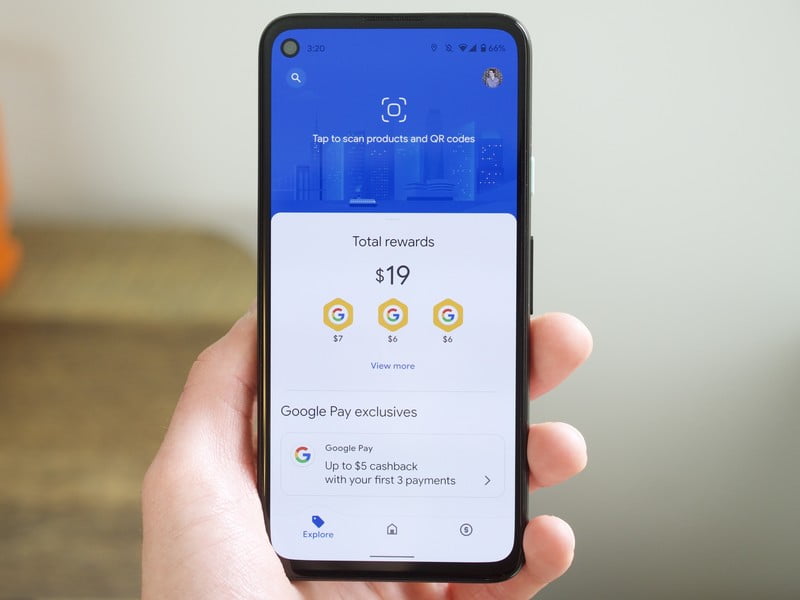
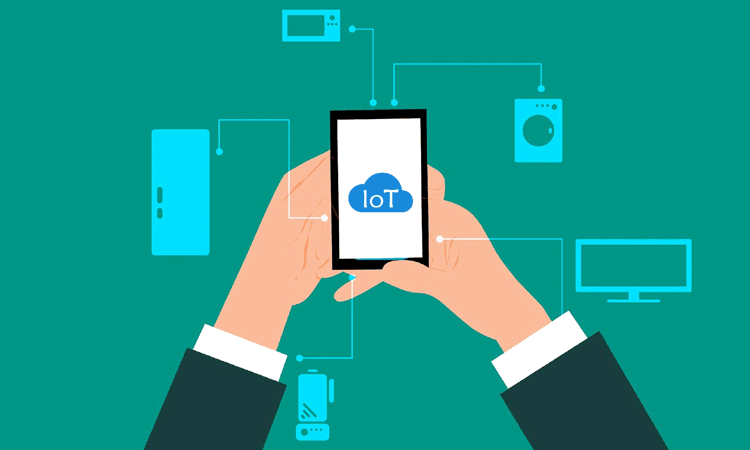
Over eighty percent of Americans now personal a telephone, with the number continuing to grow. With this trend closer to mobile computing, sporting our complete lives interior, a single, pocketable device is likewise becoming the norm. Something that’s inherently affected by that is how we pay for things. There’s been a race among the big three cell giants to dominate that market, in addition to the handset you bring. And given that we are an Android website, we can take a shot at losing some mild on the two that follow our OS of preference: Google Pay and Samsung Pay. Yes, each is a form of cellular fee apps and carries out very similar outcomes. However, the underlying generation is indeed unusual.
This one is pretty widely known to the ones of us within the global Android community. The tech at the back of it is also the more commonplace of the 2. Google Pay uses a mixture of software and hardware to provide a free option, even without using anything but your phone. It uses Near-Field Communication (NFC) to pass your credit card’s encrypted data to a payment reader in the shop.

NFC corresponds to other technologies and RFID badges that get a lot of us interior our place of business on a daily basis. With Google Pay, your credit card is loaded onto the app and stored beneath a digital number to keep your real wide information safer. Then, while you activate it on the coins check-in, NFC passes the information from the smartphone to the cardboard reader through electromagnetic induction. Google Pay is a sturdy payment platform, but it’s hindered by hardware compatibility. If your neighborhood’s key doesn’t have a card reader with the extra NFC capabilities, then you are, without a doubt, out of luck.
Samsung Pay
The common idea for Samsung Pay is equal, and its app even helps NFC-powered transactions correctly. However, the primary motive Samsung has for a separate branded version is that it guides a specific technology known as MST (Magnetic Secure Transmission) to electricity most of its transactions. This tech was developed at the beginning by an employer referred to as LoopPay. LoopPay becomes an unbiased business enterprise that makes cell phone cases with MST built inside them. Paired with an app, the gadgets could allow for cell payments on devices and predate other apps like Apple Pay and Google Pay.
So what makes it so unique than NFC and Google Pay? MST doesn’t require the card reader on the point of sale to have any new era like NFC. Its magnetic skip-off mimics the magnetic strip already determined on every debit and credit card on the planet. This gives you immediate compatibility with 90% of the world’s credit card machines. Conclusion: Both fee systems are more exceptional than allowing you to make a price without the need for a physical card. We’ve come a long way in mobile payments with our telephones. However, Google Pay and Samsung Pay pass about in a slightly exceptional way. We’d like to hear which one you pick and why in the comments.