 Janet Mason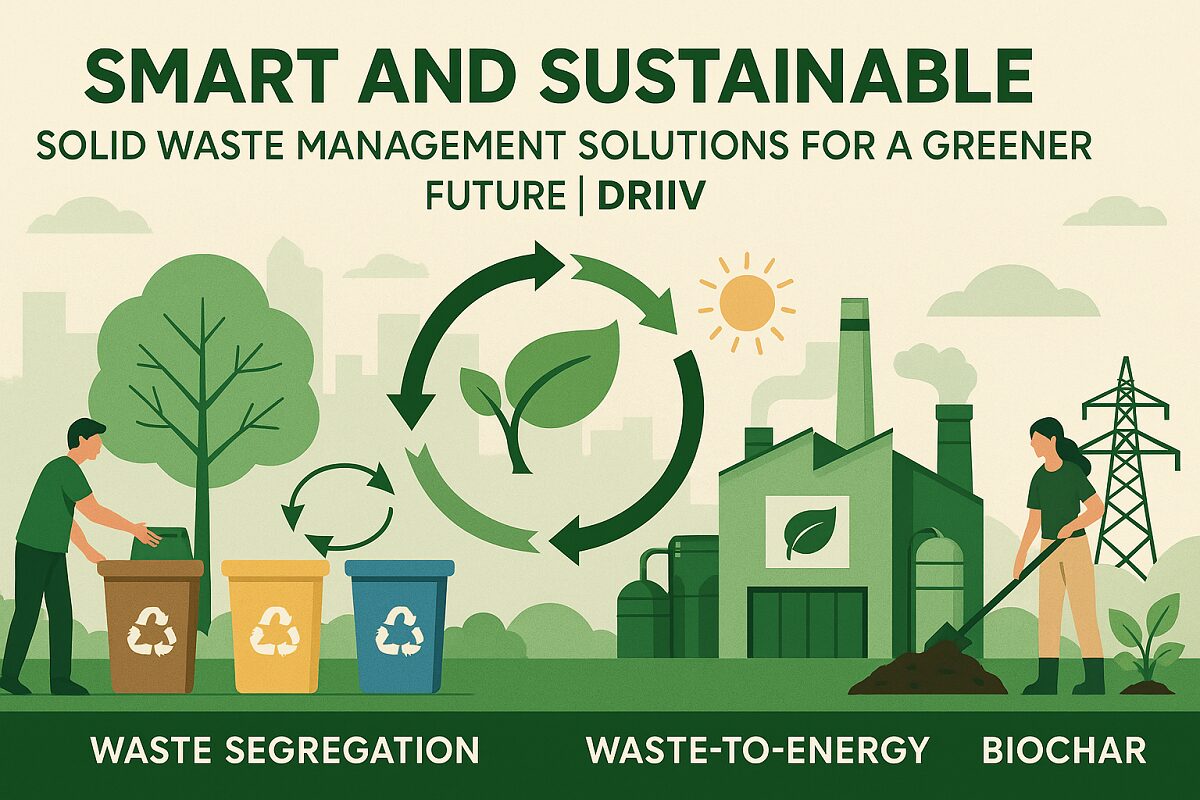
The environmental clock isn’t just ticking—it’s screaming in our ears. Plastic bags caught in trees, food scraps rotting in landfills, overflowing bins that no one claims. Every street corner tells us the same story: indifference has a smell, and it lingers. But here’s the radical truth—trash is not just waste, it’s proof of where we stand. We either accept decline or we rise, together, as architects of a new culture. The revolution doesn’t wait for experts in glass towers—it starts in kitchens, alleys, schools, and markets. It starts with us.

Radically Transforming Waste Collection
Collection is not “municipal housekeeping.” It’s choreography—a rhythm of discipline and pride. When bins are seen not as passive containers but as anchors of order, the story changes.
- Green Waste Management Trash Bins with clear icons in front of every home becomes more than plastic; it’s a flag saying, “Here, we care.”
- Manuals, checklists, or even hand-painted instructions remove the excuse of confusion. Simplicity is rebellion in disguise.
- Some communities build pickup maps and volunteer shifts like they’re organizing a festival. When collection day feels like collective ritual, accountability is no longer forced—it’s lived.
And then the streets whisper a new truth: clean corners are not luck, they are discipline on display. People see it, and they want in.
Radical Reuse: Turning Waste into a Weapon
Waste is only useless when we surrender its story. Reuse is not “crafting” for the privileged—it’s defiance against the churn of consumerism.
- One neighbor transforms pallets into benches, and suddenly kids have a place to sit.
- Another teaches teenagers to patch clothes, and pride replaces throwaway culture.
- Community swap fairs feel less like dumping grounds and more like bazaars of creativity.
It isn’t decoration—it’s insurgency. When a broken chair becomes art or an old jar becomes a lantern, culture shifts. We stop measuring objects by their price tags and start measuring them by the life still left inside them.
Composting: The Radical Act of Creating Life
There’s nothing passive about composting. It’s chemistry, biology, and rebellion happening in real time.
Equip a family with a bin, a stick to stir, and a simple guide, and you’ve armed them with independence. Suddenly, peels and coffee grounds no longer whisper decay—they promise gardens, herbs, food grown by one’s own hand.
In some neighborhoods, shared compost hubs transform the back corner of a lot into a community greenhouse. People gather, swap seeds, test soil, and leave with dirt under their fingernails and pride in their eyes. Composting is proof that even in the cycle of waste, life can be authored—not left to rot.
Radical Recycling: A Link to Global Change
Recycling is where local action shakes hands with the wider world. It’s not tokenism—it’s leverage.
- A neighborhood that organizes e-waste take-back days isn’t just clearing out junk drawers; it’s demanding responsibility from manufacturers.
- Battery return boxes at corner shops become symbols: “We won’t let toxins seep quietly into our soil.”
- Residents who work with processors ensure that plastics and metals actually go somewhere instead of circling back into dumps.
Every bottle returned, every can sorted is a community saying, “We refuse complicity.” Recycling is not compliance; it’s resistance scaled globally.
Education and Behavioral Change: The Final Front
Systems fail if people don’t carry them forward. That’s where culture takes over.
Some teachers turn classrooms into zero-waste labs. Shopkeepers post playful signs over bins—“Feed me only paper!” Neighbors turn collection drives into competitions, where pride fuels consistency more than rules ever could.
- Training is not a lecture; it’s hands-on, messy, and visual.
- Champions aren’t celebrities—they’re mothers, janitors, students showing what’s possible.
- Behavior shifts not when told, but when people see others live differently and feel the spark to imitate.
And then something irreversible happens: responsibility becomes second nature. Systems don’t need to be policed; they sustain themselves.
In conclusion, eco-friendly waste management is not a line item on a policy sheet—it’s the living pulse of community. Bins, compost heaps, reuse fairs, recycling days, and workshops are not “programs,” they are proof that people refuse to be passive. When households, neighbors, and entire districts unite in radical defiance, they don’t just manage waste—they build cultures resilient enough to outlive the crisis. The uprising is here. It’s messy. It’s human. And it’s unstoppable.


